

Address: 2100/2, Trichy Road,
Rajalakshmi Mills Stop, Singanallur,
Coimbatore, Tamil Nadu 641005
Simple principles for exercising safely, consistently and effectively
Exercise is an important part of maintaining physical fitness, muscle strength, bone health and overall wellbeing. But exercising effectively is not simply about working harder. Preparation, progression, exercise selection, footwear, surfaces and recovery all matter.
Here are 10 practical tips covering stretching, exercise duration, gradual progression, cardio and resistance exercises, knowing when to stop, cross-training, FITT, footwear, exercise surfaces and DOMS.
Stretching is an important part of preparing the body for exercise and cooling down after activity.
It is better to warm up for at least 3–5 minutes before starting exercise.
The source material compares muscles to a rubber band and explains that proper stretching can help prepare tight muscles before activity.
Even great sprinters spend time preparing and stretching before short periods of intense activity.
Similarly, stretching the joints, ligaments and muscles during cooling down is recommended in the source material.
A minimum exercise target of 30 minutes on 5 days a week.
30 minutes × 5 days = 150 minutes per week
The source also states that increasing this to approximately 180–210 minutes is good.
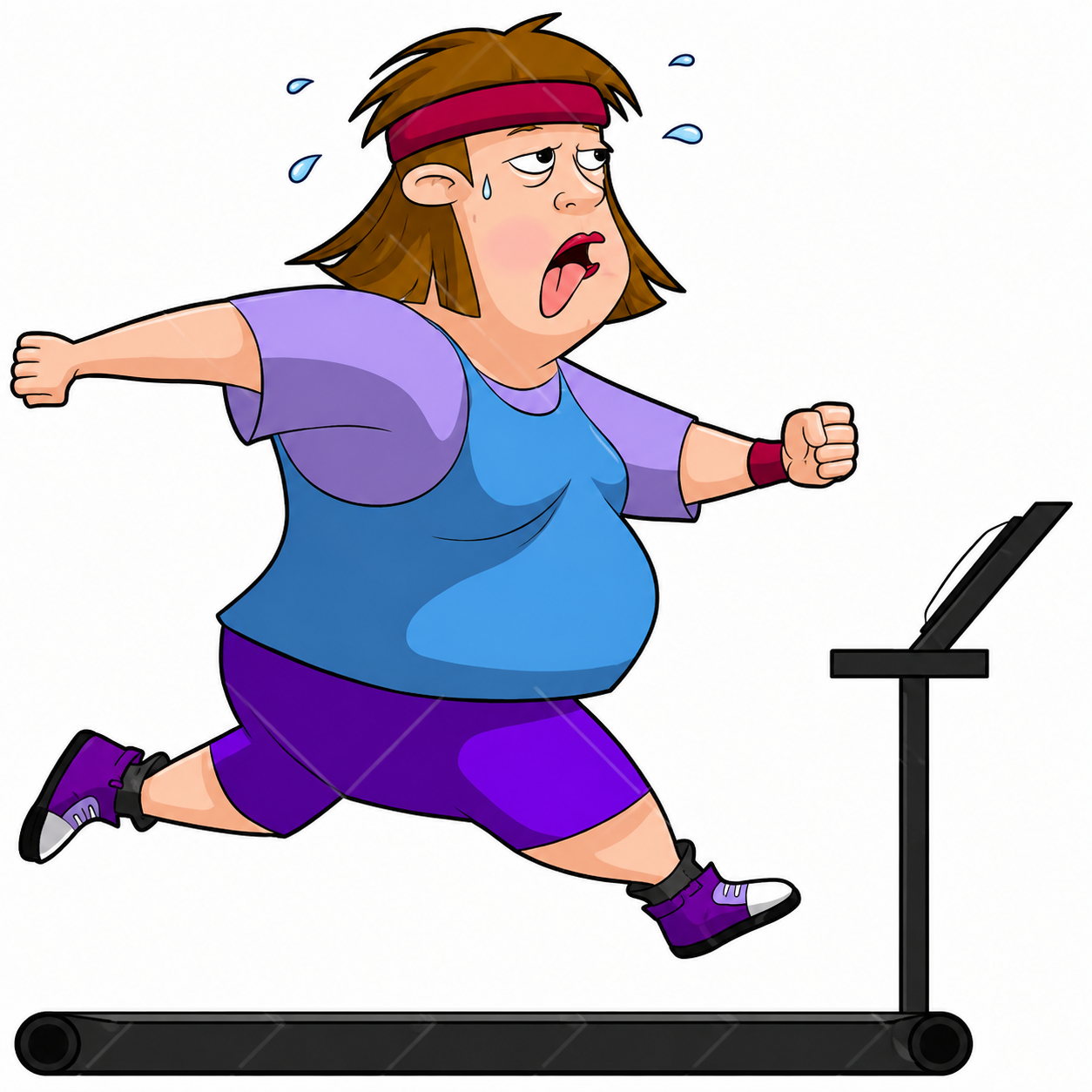
Exercise is fun – practical tips for building a safer and more effective exercise routine.
Exercise should be increased gradually. The source material recommends a maximum increase of approximately 25% every week to help avoid injuries.
Whether running, weight lifting or another form of exercise, increase the workload slowly rather than making sudden increases.

Exercise duration and weekly activity.
The supplied material recommends a combination of cardiorespiratory and resistance exercises.
Examples include walking, running, cycling, swimming, Zumba and aerobics.

Cardiorespiratory exercise examples.

Cardiorespiratory exercise examples.
Examples include lifting weights, squats and push-ups.
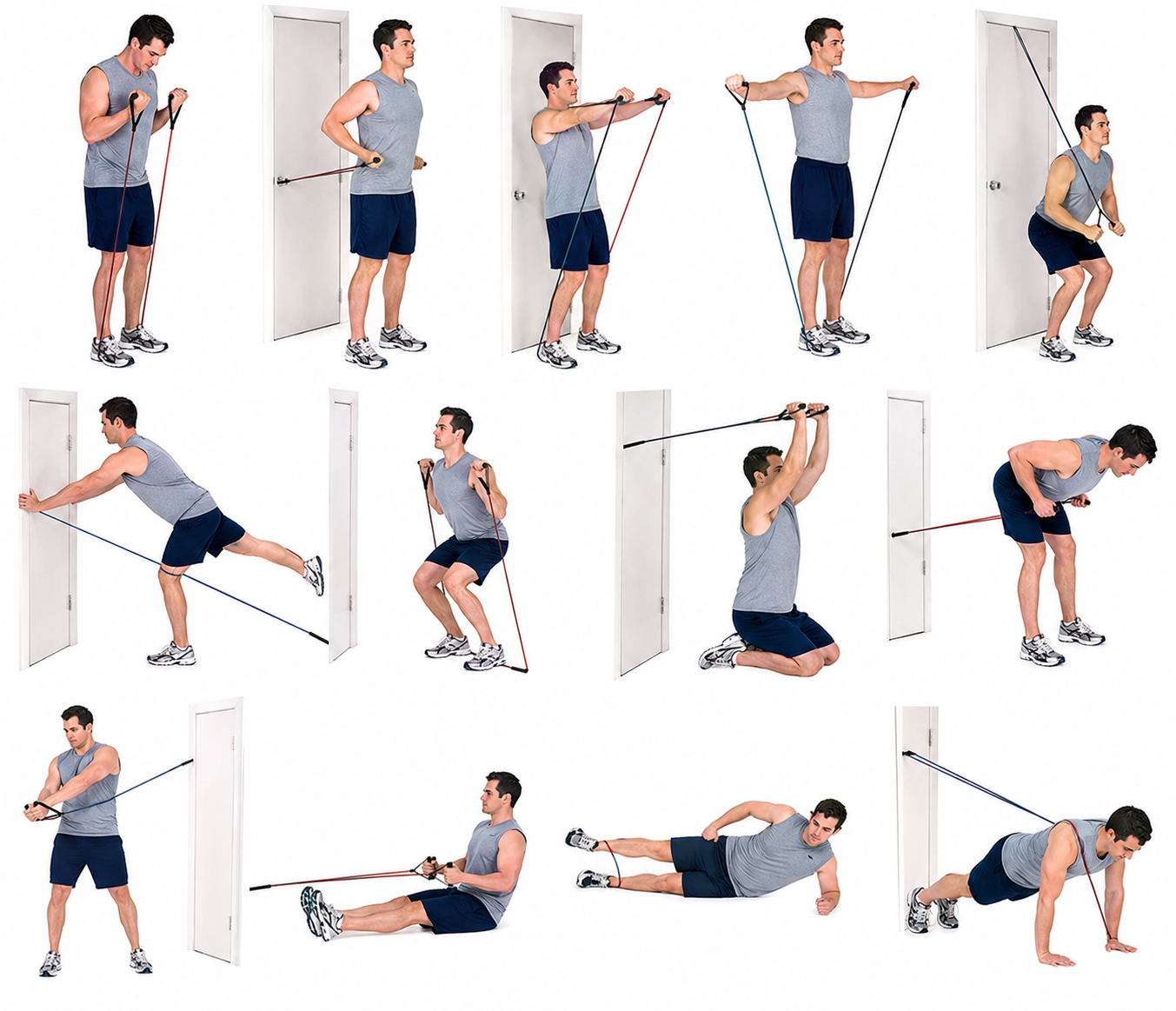
Resistance and strength exercises.
Your body is an important indicator during exercise. The supplied material emphasizes paying attention to discomfort and pain as signals from the body.
Be alert when friends, family members or gym trainers encourage you to push beyond your limits. The source material advises paying attention to your body's signals.
Cross-training means changing activities regularly to challenge different muscle groups and benefit the whole body.
FITT provides four factors to consider when planning and progressing exercise.
The source recommends noting these four factors for any exercise and improving upon them progressively.
Footwear is another consideration when exercising.
The surface on which you exercise can affect the stress placed on the joints.
Asphalt, tar roads and concrete are described in the source as being hard on the knees and potentially causing joint injury.
Softer surfaces such as soil and grass are described as good, although uneven surfaces can cause joint problems.
The source describes treadmill use as controversial but suggests that it may be preferable to very hard surfaces.
DOMS is the pain felt throughout the body the next day after unusual exercise.
Exercise is an important part of an active lifestyle, but exercising well requires more than simply increasing intensity.
Preparing the body, progressing gradually, combining different forms of exercise, selecting appropriate footwear and surfaces, and allowing adequate recovery can all form part of a well-structured exercise routine.
These 10 tips provide a simple framework for approaching exercise with greater awareness, consistency and safety.
This article is based on the supplied educational material “Exercise is fun”. Individual exercise needs can vary. Anyone with significant pain, an existing injury or a medical condition should seek appropriate professional advice before starting or substantially changing an exercise programme.
— Dr Suman CPS
Consultant Orthopaedic Surgeon
Sports Injuries and Arthritis Specialist
VGM Hospital
Call us Anytime at: +91 9843079555
Land Line No: 0422-2572573
Fax: 0422-2572207
Email: contact@vgmorthocentre.com
Hospital Timing: 24 x 7
OP Appointment Timing:
Mon-Fri: 9:00am-8:00pm
Legal Policy